After Implementing Watura for Your Team: Why the First 90 Days Matter Most

Implementing a new training program is an important investment in your workforce. Whether your goal is employee development, succession planning, regulatory compliance, or operational excellence, the first few months after launch can significantly influence long-term success. At Watura, we've worked with utilities of all sizes and have observed a common pattern: the teams that achieve the best training outcomes are the ones that establish momentum early.That's why the first 30 days after implementation are so important.Our role doesn't end when your team receives their login credentials. In fact, that's when our support truly begins.
The Critical First Month: Building Early Engagement
The first few weeks after launching Watura are often the difference between a training program that becomes part of your team's routine and one that struggles to gain traction.
We've found that users who log in and complete their first course within the first month are significantly more likely to remain engaged throughout the year. Early participation helps employees become familiar with the platform, build confidence, and create positive learning habits.
To support your team during this period, we actively monitor participation and engagement behind the scenes.

We Monitor Invitation Delivery
One of the most common challenges with any new software implementation is something surprisingly simple: users never receive their invitation email.
To prevent this from becoming a problem, we regularly verify that invitation emails have been successfully delivered. We check for bounced messages, rejected emails, and other delivery issues that could prevent users from accessing the platform.
If we identify any problems, we'll work with you to resolve them quickly.
Personalized Engagement Reminders
People are busy. Operators, technicians, supervisors, and managers all have competing priorities throughout the workday.
That's why Watura sends personalized reminder emails based on each user's activity.
For example:
- Users who haven't logged in may receive an onboarding reminder.
- Users who started a course but haven't finished it may receive encouragement to continue.
- Active learners may receive recommendations for additional courses.
These reminders help keep training visible without creating additional work for utility management.
We Help Resolve User Issues
If anyone on your team experiences difficulties logging in, accessing courses, or navigating the platform, we encourage you to contact us immediately.
Technical issues are often quick to resolve when addressed early.
Whether the challenge involves password resets, browser compatibility, device access, or general platform questions, our team will do everything possible to help users get back on track.
Remember: every user who successfully overcomes an initial obstacle is one more employee benefiting from your training investment.
Your First Month Check-In (M1)
Approximately one month after implementation, we'll schedule our first formal check-in meeting.
The purpose of this meeting is simple: ensure your team is set up for long-term success.
This session gives us an opportunity to gather your feedback, answer questions, and review performance metrics together.
What We Review
During the M1 check-in, we typically examine:
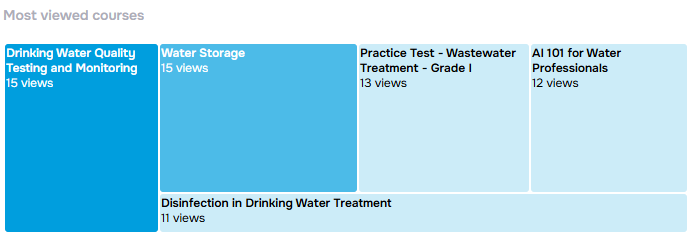
Log-In Rate
How many users have successfully accessed the platform?
This metric provides an early indication of adoption and helps identify users who may need additional support.
Course Completion Rate
How many courses have been started and completed?
Completion rates help determine whether employees are progressing through their assigned training and whether workload expectations are realistic.
Course Ratings and Feedback
What are users saying about the training?
Employee feedback often reveals valuable insights about course relevance, engagement, and future training needs.
Additional Metrics as Needed
Every utility is different.
Depending on your goals, we can also review additional data points, including assigned training progress, departmental participation, certification-related training activity, and more.
Optional Engagement Tools
Some utilities appreciate a little friendly competition.
If desired, we can help establish additional engagement initiatives such as:
- Training leaderboards
- Progress summaries
- Assigned-course reminders
- Recognition programs
These simple tools often create visibility and accountability that drive stronger participation across teams.
The First Quarter: Creating Sustainable Training Habits
Once the initial launch period is complete, the focus shifts from onboarding to habit-building.
The most successful utilities treat training as an ongoing process rather than a one-time event.
Here are several strategies we consistently see among high-performing teams.
Establish a Clear Training Routine
Consistency matters more than intensity.
Rather than asking employees to complete large amounts of training all at once, establish a predictable schedule.
For example:
- One hour of dedicated training every other Friday
- Monthly training goals
- Quarterly learning objectives
- Department-specific development plans
A structured approach helps employees understand expectations and reduces the likelihood that training gets pushed aside during busy periods.
Set Realistic and Achievable Goals
Training objectives should be clear, measurable, and attainable.
Examples include:
- Completing one course per month
- Earning a specific number of CEUs per quarter
- Finishing assigned training by a target date
- Preparing operators for certification exams
When goals are realistic, employees are more likely to stay motivated and engaged.
Recognize Progress Publicly
Recognition remains one of the most effective engagement tools available.
During team meetings, consider highlighting:
- Top course completers
- Certification milestones
- CEU achievements
- Training participation improvements
Celebrating progress reinforces the importance of learning and demonstrates organizational support for professional development.
Ensure Employees Have the Right Environment
Training participation can be limited by logistical barriers rather than lack of motivation.
Ask yourself:
- Does everyone have access to a computer, tablet, or suitable device?
- Is internet access reliable?
- Do employees have a quiet location where they can focus?
- Is dedicated training time protected from interruptions?
Removing these obstacles can dramatically improve participation rates.
Share Success with Upper Management
One recommendation we frequently make is to share training results with senior leadership.
Why? Because workforce development is a strategic achievement.
When your team completes courses, earns CEUs, improves certification readiness, or develops new skills, those accomplishments reflect positively on the entire organization.
As a manager, superintendent, or HR professional, your team's progress demonstrates leadership, planning, and commitment to continuous improvement.
Training metrics can also help support future workforce development initiatives, budget requests, and succession planning efforts.
Don't be afraid to showcase the results. Your team's success is your success too.
Ongoing Support Beyond the First Quarter
Our partnership doesn't stop after the first month, or even after the first quarter.
Following implementation, we'll continue meeting with your team at regular intervals throughout the year.
Typical review points include:
- Month 3 (M3)
- Month 6 (M6)
- Month 9 (M9)
These meetings allow us to:
- Review progress
- Discuss participation trends
- Identify opportunities for improvement
- Answer questions
- Gather feedback
- Share best practices from other utilities
Over time, these conversations help ensure your training program continues delivering value and supporting your organization's goals.
We're Here Whenever You Need Us
The most successful implementations happen when communication remains open. If you have questions, concerns, suggestions, or feedback at any point, we encourage you to reach out.
Whether it's a user struggling to log in, a manager looking for participation data, or a team interested in expanding their training opportunities, we're here to help.
Use the live chat, send us an email, or bring your questions to our next review meeting. Together, we'll make sure your team gets the most value possible from Watura.
Final Thoughts
Launching a training platform is only the first step. The real impact comes from consistent engagement, strong support, and a commitment to continuous learning.
The first 90 days set the tone for everything that follows.
By focusing on early participation, establishing routines, recognizing progress, and maintaining regular communication, your utility can build a training culture that benefits employees, management, and the communities you serve.
And throughout that journey, Watura will be right there alongside you.

California Water & Wastewater Operator Training: CEUs, CWEA Certifications, Contact Hours & Renewal
The training you need depends on the credential you hold. A California drinking water operator follows different renewal rules than a wastewater treatment operator, and a collections or maintenance professional with a CWEA certification follows another set of requirements. This guide explains California water operator training, wastewater operator training, CEUs, contact hours, educational points, certification renewal, and CWEA certifications in practical terms for operators and supervisors.
.avif)
From Sludge to Strategy: Why Solids Handling Is Becoming a Critical Wastewater Skill
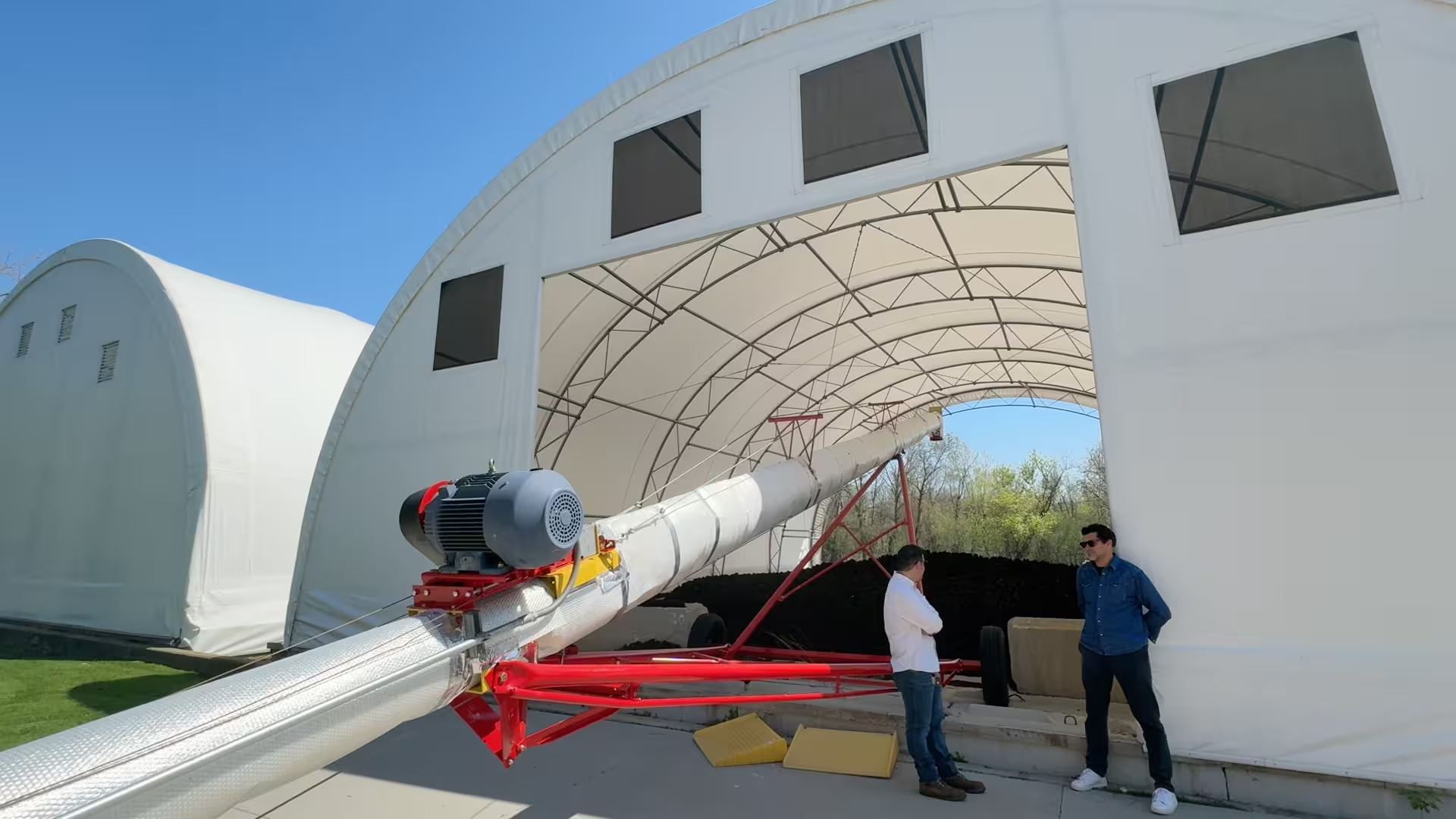
Solids handling affects far more than sludge disposal. It influences plant capacity, dewatering costs, odor control, regulatory risk, agricultural reuse, and public trust. This article explores why solids treatment is becoming one of the most strategic areas of wastewater operations, and why effective training is critical for both new and experienced professionals.


How US Water Utilities Can Solve the Workforce Crisis: 5 Strategies from ACE26
At ACE26 in Washington, D.C., I sat in on Christine Ow of Arcadis presenting "Designing the Future of Utility Workforce Development," one of the best sessions I caught all week (last-day sessions are an underrated find). Here's a summary: the sector faces interconnected pressures, from compensation and unclear career paths to an aging workforce, knowledge loss, culture challenges, and inaccessible training.

Why Regular Training Matters for Colorado Water and Wastewater Operators
For Colorado water and wastewater operators, training is more than a certification requirement. It is an essential part of maintaining technical knowledge, adapting to changing regulations, improving operational performance, and protecting public health.
After Implementing Watura for Your Team: Why the First 90 Days Matter Most
Implementing a new training program is an important investment in your workforce. Whether your goal is employee development, succession planning, regulatory compliance, or operational excellence, the first few months after launch can significantly influence long-term success. At Watura, we've worked with utilities of all sizes and have observed a common pattern: the teams that achieve the best training outcomes are the ones that establish momentum early.That's why the first 30 days after implementation are so important.Our role doesn't end when your team receives their login credentials. In fact, that's when our support truly begins.

A Practical Guide to Implementing Watura for Operator Training and Compliance
Implementing a new training platform across a utility is about more than giving employees access to online courses. It is about creating a structured, sustainable training program that supports compliance, strengthens operational knowledge, and helps employees grow throughout their careers.Whether your utility wants to simplify CEU renewal, onboard new operators, prepare staff for certification exams, or standardize training across departments, a successful rollout starts with preparation. Before implementing Watura for your team, there are a few key decisions that can make the process smoother, more organized, and far more effective in the long run.
AI in Water Utilities: A Practical Introduction for Operators and Decision-Makers
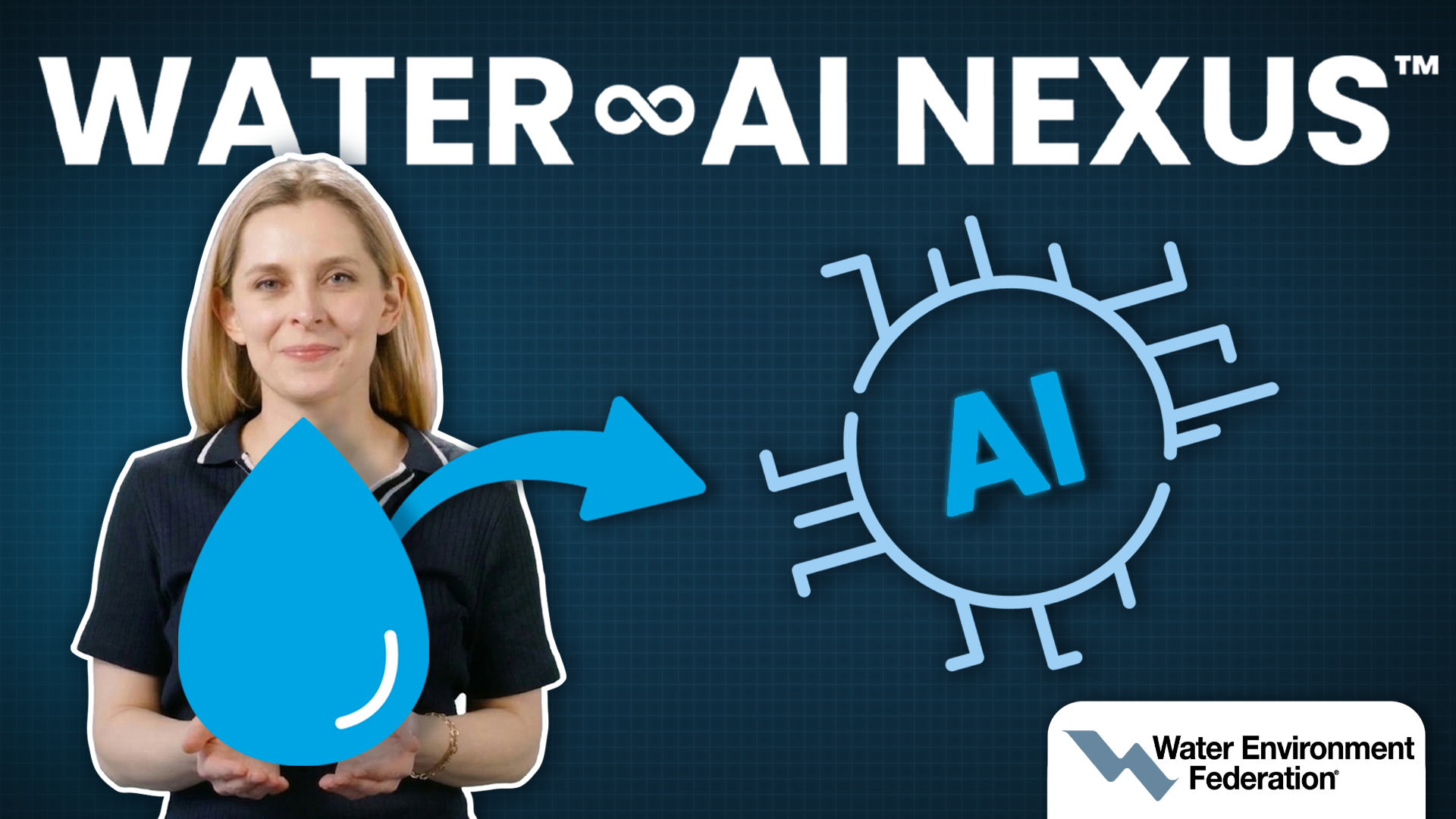
Water and wastewater professionals are facing a perfect storm. Aging infrastructure, stricter regulations, climate uncertainty, and workforce shortages are all converging at once. At the same time, utilities are generating more data than ever before, yet much of it remains underused. And then there is artificial intelligence. It is everywhere in the news, embedded in software, and increasingly present in operational tools. But for many operators and utility leaders, one question remains unanswered: What does AI actually mean for my day-to-day work? This article cuts through the noise. It explains how AI is already impacting water utilities, what key concepts you need to understand, and how you can start using it today. It also introduces a new free course, AI 101 for Water Professionals, developed by Watura in collaboration with WEF, Amazon, and the Water Center at the University of Pennsylvania.