Addressing the Water Workforce Crisis with Microlearning and Adaptive Training for Operators

The water and wastewater industry is facing a unique challenge: a rapidly retiring workforce, the "Grey Tsunami", combined with accelerating training demands due to new regulations (PFAS, Reuse, Cybersecurity) and evolving technologies.
The Water Workforce Crisis: How Smart Training Can Bridge the Gap
This critical misalignment of less time for training and more topics to cover is quickly creating an operational challenge for utilities across the country.
While foundational, traditional classroom operator training can struggle to keep pace with these modern demands. To truly succeed, utilities need flexible, targeted online-training solutions that complement existing programs. The answer lies in flexible, targeted learning models: Microlearning and Adaptive Training.
Key Concept 1: Microlearning
For busy water and wastewater system operators, dedicating hours to traditional classroom training is impractical. Their essential work demands round-the-clock attention and rapid response to anomalies. This makes regular absences difficult to organize. This reality necessitates flexible, accessible training that integrates with operational constraints. Modern operator training must adapt to the workflow. This is where microlearning, a powerful form of online training, excels.
What is Microlearning?
Microlearning is focused training delivered in short, concentrated segments. Think 5–15 minutes, dedicated to one topic, one skill, and one clear takeaway.
- Example Topics for Water/Wastewater Operators: Detention Time Calculations, Cavitation in Wastewater Pumps, Correct Recording Practices.

Why Microlearning Works for Utilities
Microlearning is a structural approach that respects an operator’s limited time, making it an excellent addition to any utility's training program.
- Easier to Schedule: A 10-minute online-training module can fit into the downtime between tasks.
- Easier to Repeat: Reinforcement happens more consistently, which is critical for long-term retention of complex wastewater and water procedures.
Tied to Real Tasks: When structured correctly, this intentional training helps operators apply knowledge immediately in the field, reinforcing traditional learning.
Key Concept 2: Adaptive Learning
A team can include a new hire, a 20-year veteran, and a new specialist. Providing them all the exact same training can be inefficient. Adaptive Learning solves this by adjusting the content and pace to the individual.
What is Adaptive Learning?
It's a dynamic system where the path to a goal (e.g., competency, CEUs, exam readiness) is different for every person, based on their existing knowledge and needs. It meets people where they are.
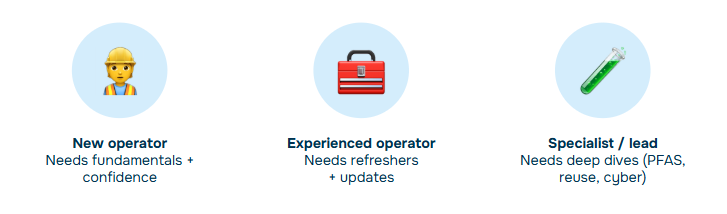
The Power of Targeting Training
By using placement tests and ongoing knowledge checks, adaptive online training ensures operators spend valuable time on content they actually need to learn. For managers, this approach offers better visibility into progress and helps build a stronger, more consistent competency across the entire team.
Making It Work: Integrating New Models with Traditional Strengths
Successfully integrating these modern methods doesn't require abandoning what works; it requires a simple, consistent routine that enhances your existing programs.
Your 3-Step Starter Plan for Utility Training:

- Pick One Priority: Focus on a single area to pilot: CEUs, onboarding, safety, or new regulations for water or wastewater systems.
- Break It Down: Convert the training into short, 5–15 minute sequences (one topic, one takeaway) suitable for online training.
- Make It Visible: Create a simple weekly check-in or a tracking board. Consistency, not intensity, is the goal.
Digital training and field mentoring are not mutually exclusive. When combined, Microlearning and Adaptive Training provide a strong foundation of consistent knowledge, allowing your experienced team members to focus on site-specific, hands-on application—the bedrock of great operator training.

Water Reuse: Why It Matters, How It Works, and Where It’s Headed
Water scarcity is not a future problem: it's happening now. As populations rise and freshwater supplies tighten, utilities and industries must secure reliable, sustainable water sources. One of the most practical solutions is water reuse. Recycled water does more than irrigate parks. Wth modern treatment technologies, wastewater can be reused to irrigate crops, recharge aquifers, power industrial processes, and even enter drinking water systems. The key question is simple: How do we treat wastewater enough to make it safe to reuse?

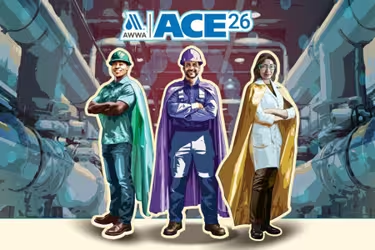
How US Water Utilities Can Solve the Workforce Crisis: 5 Strategies from ACE26
At ACE26 in Washington, D.C., I sat in on Christine Ow of Arcadis presenting "Designing the Future of Utility Workforce Development," one of the best sessions I caught all week (last-day sessions are an underrated find). Here's a summary: the sector faces interconnected pressures, from compensation and unclear career paths to an aging workforce, knowledge loss, culture challenges, and inaccessible training.
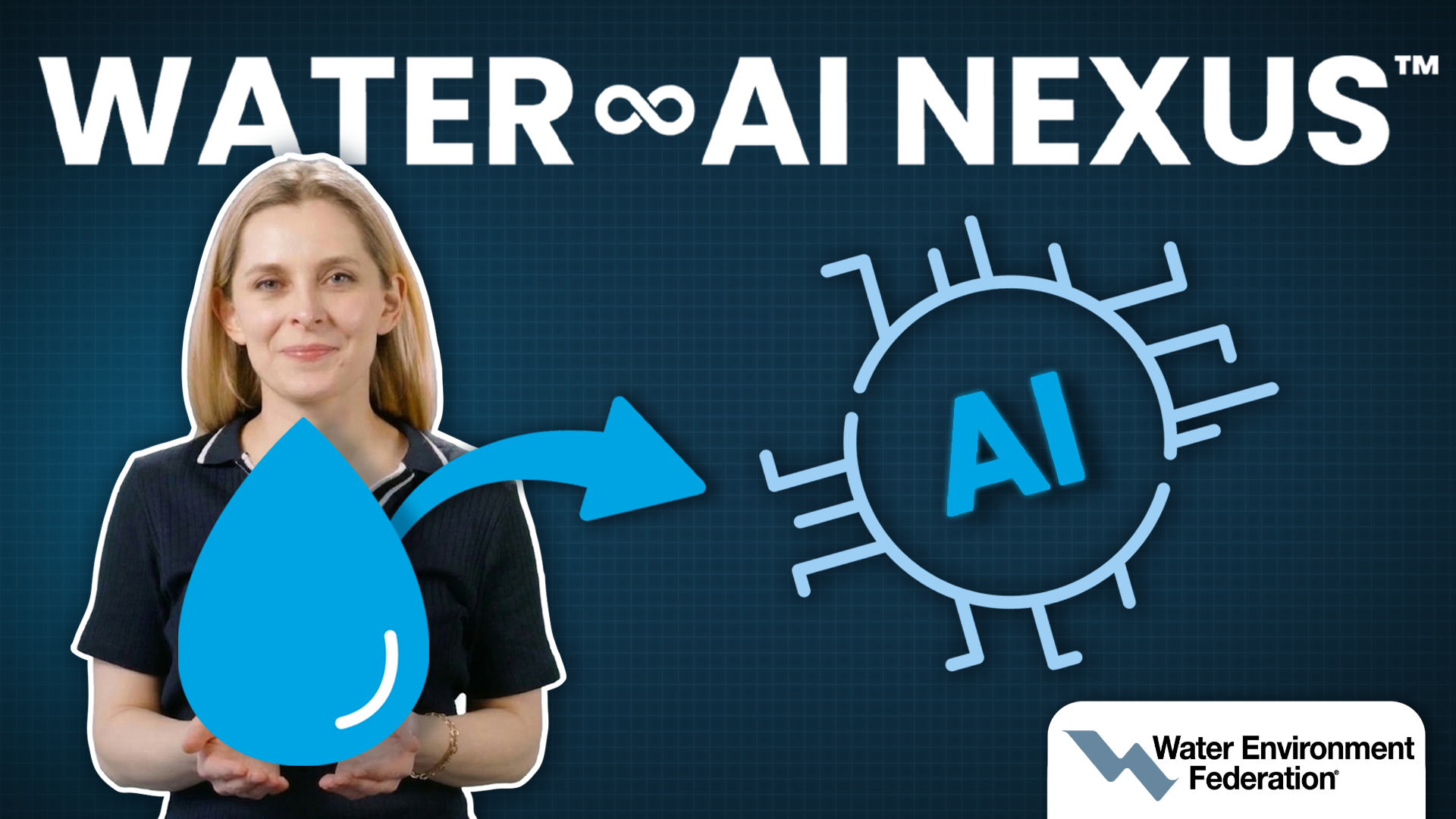
AI in Water Utilities: A Practical Introduction for Operators and Decision-Makers
Water and wastewater professionals are facing a perfect storm. Aging infrastructure, stricter regulations, climate uncertainty, and workforce shortages are all converging at once. At the same time, utilities are generating more data than ever before, yet much of it remains underused. And then there is artificial intelligence. It is everywhere in the news, embedded in software, and increasingly present in operational tools. But for many operators and utility leaders, one question remains unanswered: What does AI actually mean for my day-to-day work? This article cuts through the noise. It explains how AI is already impacting water utilities, what key concepts you need to understand, and how you can start using it today. It also introduces a new free course, AI 101 for Water Professionals, developed by Watura in collaboration with WEF, Amazon, and the Water Center at the University of Pennsylvania.
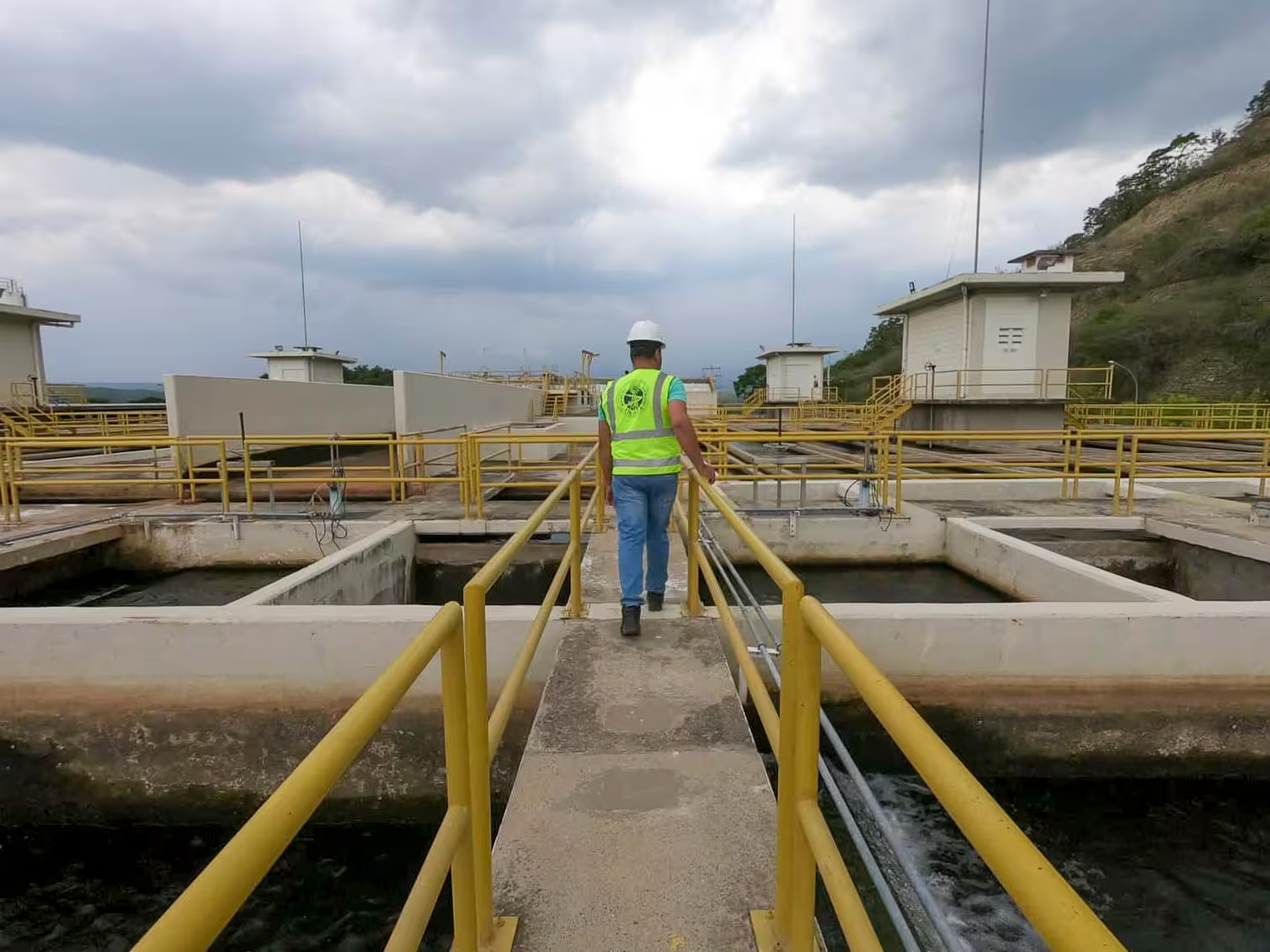
Capacity Building for Water and Wastewater Operators in the Dominican Republic
Watura, in partnership with INAPA (Instituto Nacional de Aguas Potables y Alcantarillados, National Institute of Drinking Water and Sewerage) and funded by the French Development Agency (AFD), is implementing a capacity building program in the Dominican Republic to strengthen the skills of water and wastewater operators, combining field-based training and digital learning to improve utility performance and service resilience.

The “Silver Tsunami” and the Future of Water Workforce
The water and wastewater sector faces critical workforce shortages. Watura provides flexible, expert-led training to help utilities close the gap.

Why Tracking CEUs is Critical for Water and Wastewater Operators
This article explains why CEU tracking is essential for water and wastewater operators to maintain valid licenses, meet regulatory requirements, and avoid compliance risks, while introducing Watura’s free CEU Tracker for managing and documenting CEUs in one centralized system.
.avif)

Addressing the Water Workforce Crisis with Microlearning and Adaptive Training for Operators
The water and wastewater industry is facing a unique challenge: a rapidly retiring workforce, the "Grey Tsunami", combined with accelerating training demands due to new regulations (PFAS, Reuse, Cybersecurity) and evolving technologies.