Training Water Utility Operators: A Practical Approach from Barrington, IL
.avif)
Training water utility operators is not just about meeting certification requirements. It is about finding a way to build skills, share knowledge, and keep teams up to date without slowing down daily operations.
In the Village of Barrington, Illinois, this challenge is part of everyday reality. About four months ago, the team started a new approach to training, aiming to make it more practical, flexible, and easier to integrate into the workday.
This case study shows how Barrington approaches workforce development and operator training in a way that works on the ground.
A Small Team Managing Critical Infrastructure
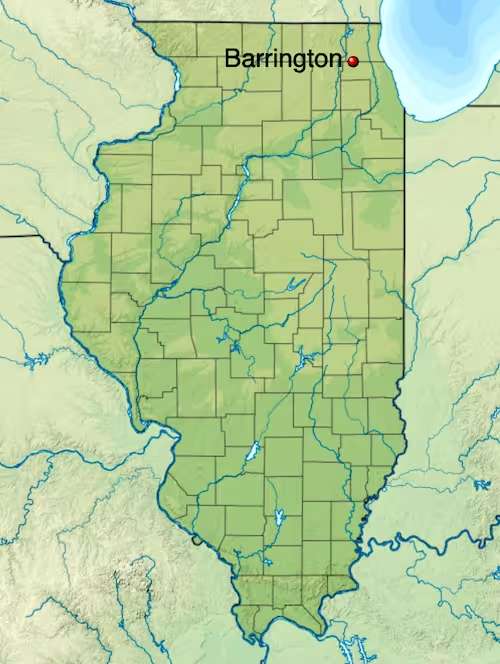
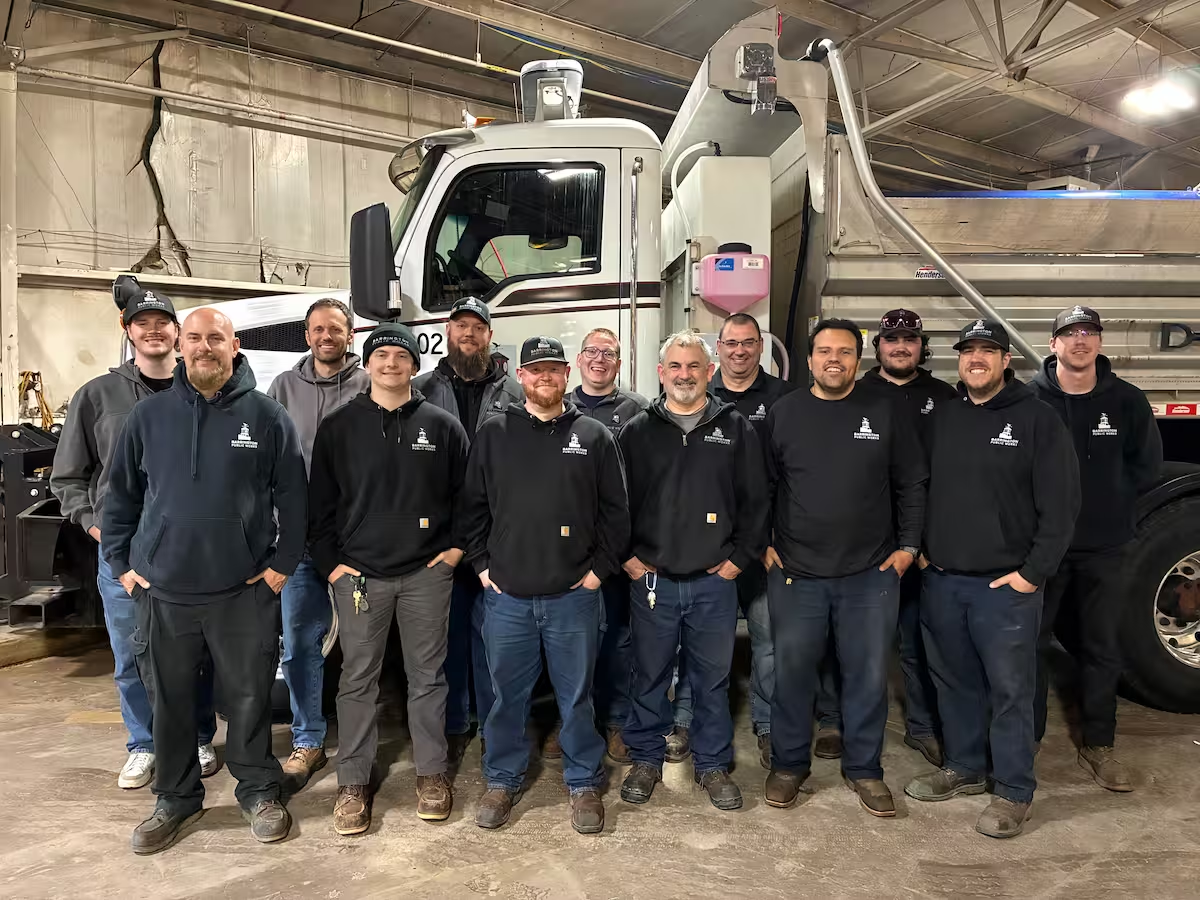
The Village of Barrington serves approximately 11,000 residents and 4,400 water customers. Its Public Works Department includes 13 utility employees, with seven assigned to the Underground Utilities Division and six to the Production and Treatment Division.
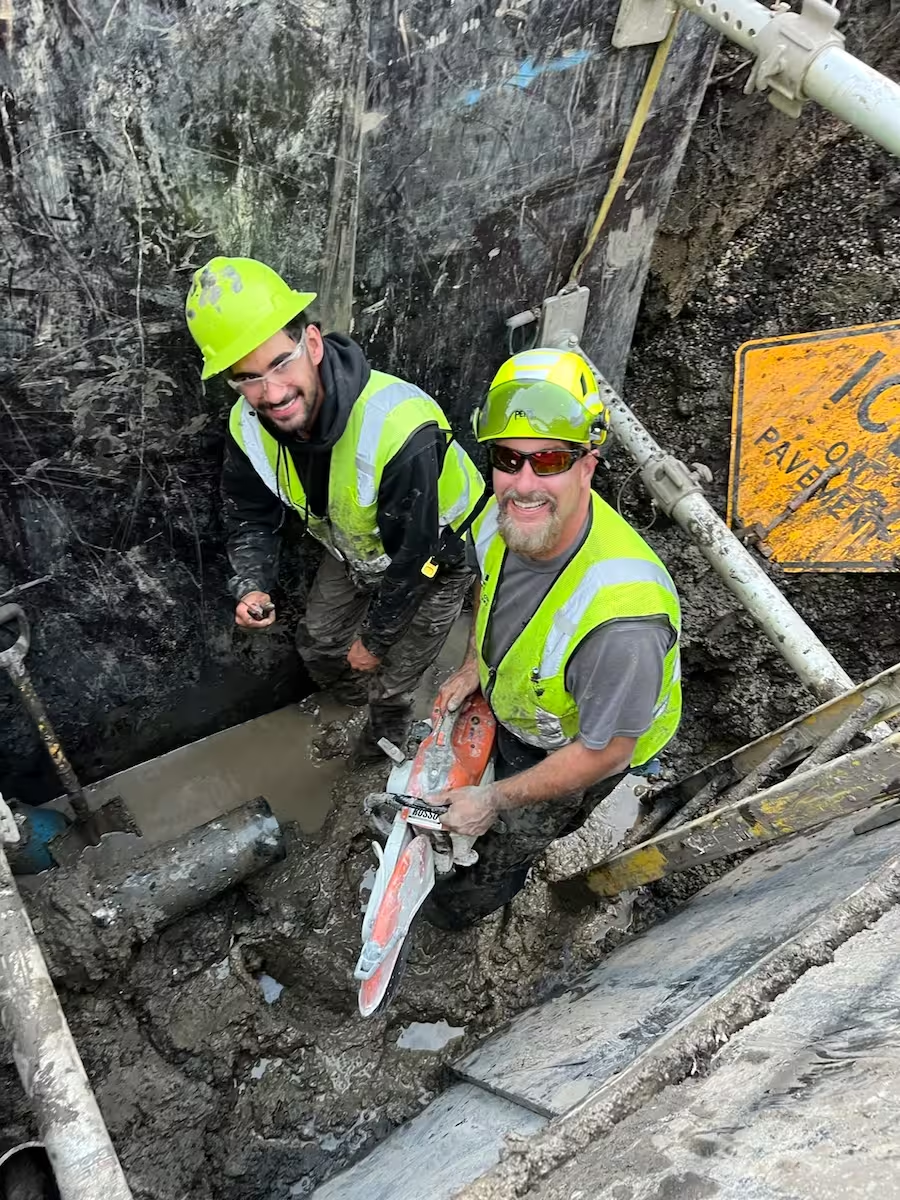
The Underground Utilities team maintains 71 miles of sanitary sewer, 95 miles of water main, and 1,000 fire hydrants. Three staff members currently hold Class D Water Operator licenses through the Illinois Environmental Protection Agency (IEPA).
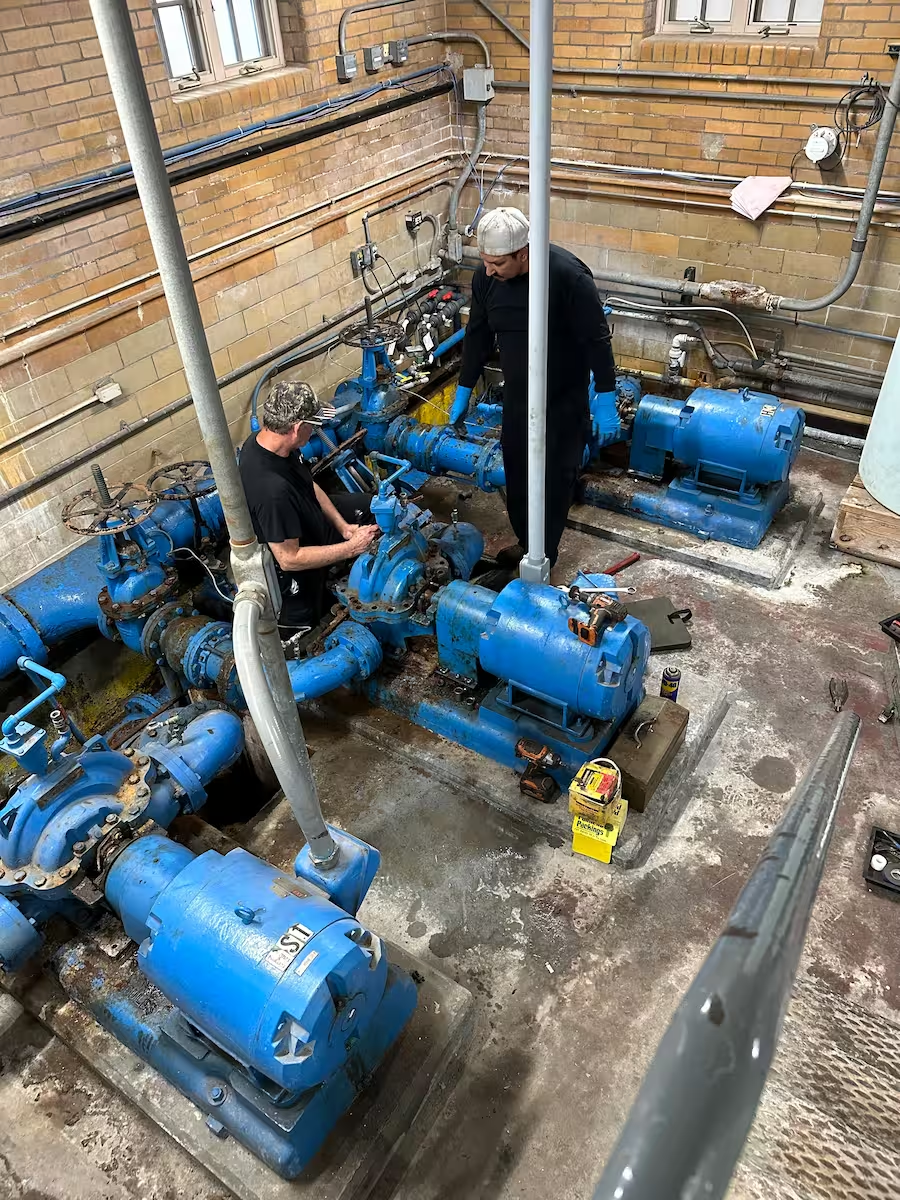
The Production and Treatment Division oversees the operation and maintenance of the 3.68 MGD wastewater treatment plant, along with 12 sanitary lift stations, 3 water towers, 1storm lift station, 4 drinking water wells producing 1.5 MGD, 3 well houses, and 1 pressure-reducing station. In this team, three operators hold both Class 1 Wastewater licenses and Class B Drinking Water licenses through the IEPA.
Across the department, maintaining certifications and completing required continuing education hours is a key part of day-to-day operations.
Training That Fits Real Operations
One of the main challenges in utility workforce development is time. In Barrington, training is designed to fit around daily operations rather than compete with them. This is especially important for certified operators in the Production and Treatment Division, who must complete 30 hours of continuing education for wastewater and an additional 30 hours for drinking water to maintain their licenses.
Operators complete courses when they have availability, often in short sessions. Whether it is 30 minutes between tasks or time spent at a workstation, this flexible approach allows training to happen consistently without disrupting field work.
A More Engaging Way to Learn
The format of the training also makes a difference. Instead of long, passive sessions, content is broken into shorter, interactive sequences with regular questions.
This keeps operators engaged and makes it easier to stay focused. It also helps reinforce key concepts, rather than simply going through material for compliance purposes.
Strong Adoption and Early Results
In less than four months, the team has already built strong momentum:
- 8 active users + 1 admin on the platform
- 100% of users logged in and added their certification information
- All users have started and completed courses (with one recent exception who just joined 😉)
- ~30 hours of training completed across the team
Progress is not just about participation. Assessment data also shows consistent improvement between initial and final test scores, indicating real learning gains.
Supporting Certification and Skill Development
Training in Barrington serves both experienced and newer operators.
For experienced staff, it helps maintain certifications and complete required continuing education hours. For newer employees, it provides a structured way to prepare for licensing exams and build essential knowledge.
This combination is key to maintaining a strong and sustainable workforce over time.
A Practical Approach to Workforce Development
What we love in Barrington’s experience is how naturally training fits into daily operations. It does not require major changes in organization or dedicated training days. Instead, it works within the reality of the job.
For utilities facing staffing challenges, certification requirements, and limited time, this kind of approach offers a practical path forward: strengthening workforce development while staying focused on operations.
🙏 Many thanks to Ryan Burgess, Utilities Superintendent at the Village of Barrington, IL, and his team for their contribution to this article.